Asthma Monitoring
Review of asthma symptoms, changes in breathing, nighttime symptoms and how well a current treatment plan is working.
NAVIGATION / VIERA HEALTHCARE
Personalized primary care for asthma symptoms, seasonal allergies, breathing concerns and treatment follow-up — focused on understanding your triggers and needs.
Wheezing, coughing, chest tightness, nasal congestion or recurring sneezing can affect everyday life. A clinical evaluation helps distinguish possible causes, review existing treatments and decide what follow-up is appropriate.
Care options are chosen after medical evaluation. Specific procedures and medication availability should be confirmed directly with the clinic.
Review of asthma symptoms, changes in breathing, nighttime symptoms and how well a current treatment plan is working.
Evaluation of sneezing, nasal congestion, itchy eyes and other symptoms that may relate to pollen, dust or environmental exposures.
Assessment of recurring cough, wheezing or chest discomfort to help determine whether further evaluation or treatment is needed.
Discussion of prescribed inhalers and allergy medicines, including use, response and concerns, with adjustments only when clinically appropriate.
Guidance on recognizing patterns related to smoke, dust, pollen, pets, exercise or other possible triggers and reducing exposure when practical.
When clinically appropriate, your provider may discuss nebulized medication or other prescribed treatments. Call to confirm which options are available onsite.
Viera HealthCare is a primary-care clinic. Specialized allergy testing, allergy immunotherapy and emergency respiratory treatment are not implied by this page. Please verify service availability before scheduling.
An individualized asthma action plan can help you understand usual symptoms, recognize worsening breathing and know when to contact a healthcare professional or seek urgent help. Your clinician can guide you on what is appropriate for your situation.
Symptoms can change with seasons, environments and daily routines. Keeping track of when symptoms occur can help your healthcare professional identify patterns and recommend suitable next steps.
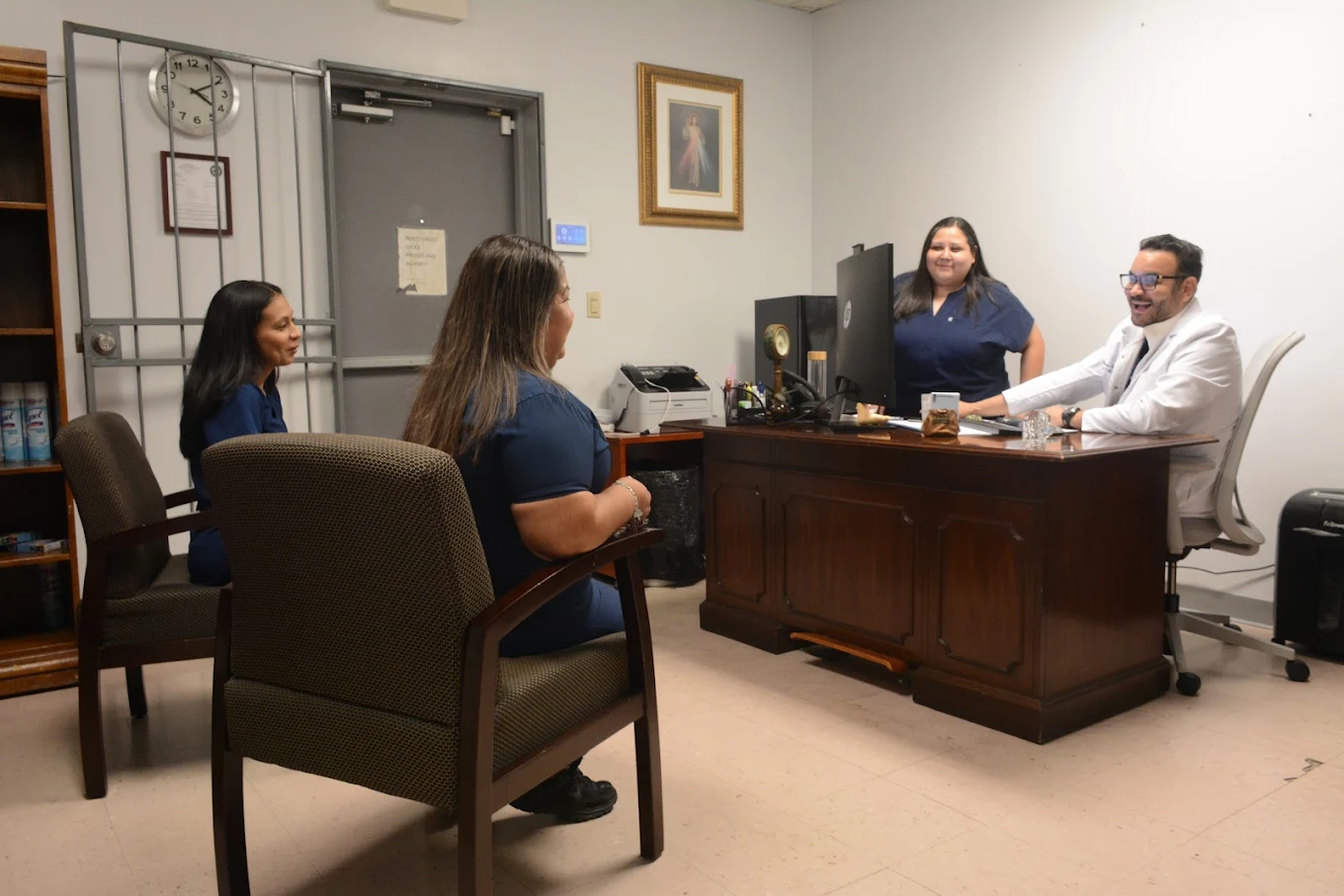
Your visit focuses on your symptoms, history, current medications and practical next steps.
Explain when symptoms begin, how often they appear and anything that seems to make them worse.
Your clinician reviews relevant history and medications and decides whether evaluation, treatment or referral is appropriate.
Discuss trigger management, appropriate medication instructions and when you should return or seek urgent care.
Our team can explain available consultations, treatment follow-up and when other care may be needed.